
Live in Awe [39:23]
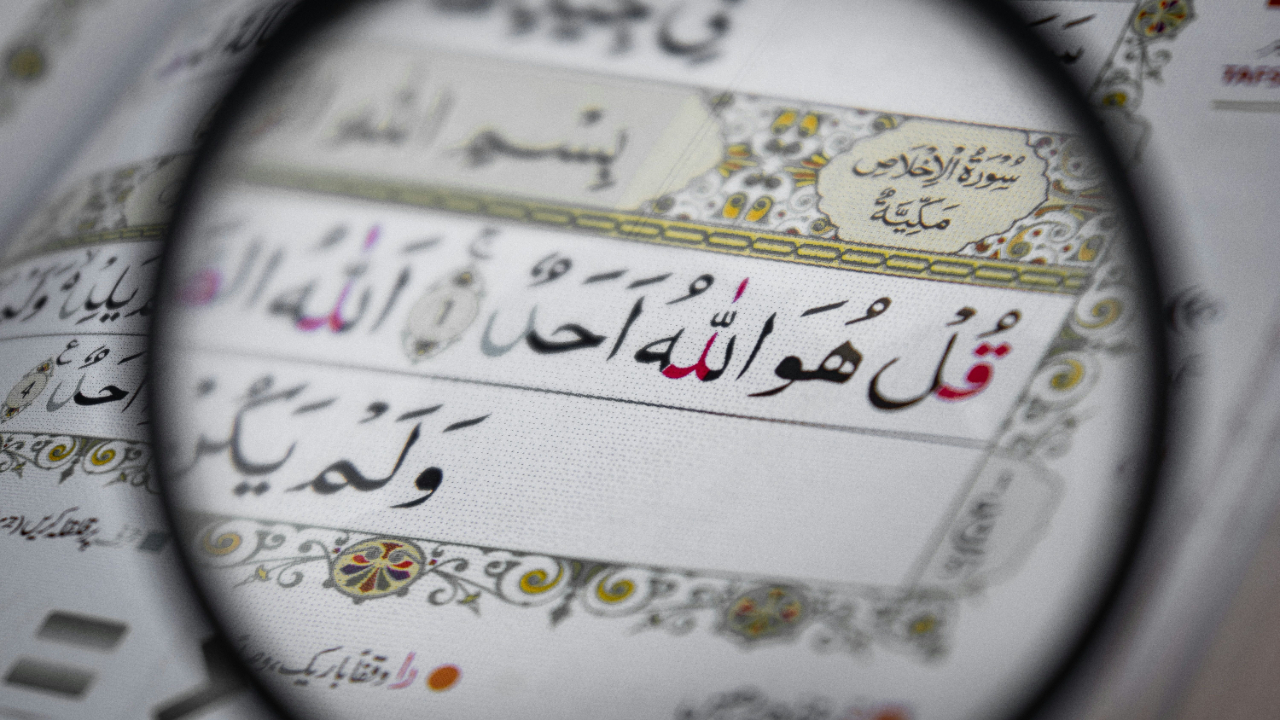
As we continue our exploration of developing a deep connection with Allah, today we focus on the second key aspect: Khashyah خشية of Allah
In verse 23 of Sura Zummar, Allah [swt] says:
اللَّهُ نَزَّلَ أَحْسَنَ الْحَدِيثِ كِتَابًا مُّتَشَابِهًا مَّثَانِيَ تَقْشَعِرُّ مِنْهُ جُلُودُ الَّذِينَ يَخْشَوْنَ رَبَّهُمْ ثُمَّ تَلِينُ جُلُودُهُمْ وَقُلُوبُهُمْ إِلَى ذِكْرِ اللَّهِ ذَلِكَ هُدَى اللَّهِ يَهْدِي بِهِ مَنْ يَشَاء وَمَن يُضْلِلْ اللَّهُ فَمَا لَهُ مِنْ هَادٍ
[Shakir 39:23] Allah has revealed the best announcement, a book conformable in its various parts, repeating, whereat do shudder the skins of those who fear their Lord, then their skins and their hearts become pliant to the remembrance of Allah; this is Allah's guidance, He guides with it whom He pleases; and (as for) him whom Allah makes err, there is no guide for him.
The word used in this verse is Khasiya/ Although often translated as "fear" in English, Khashiya and fear are quite different.
Understanding Awe (Khashyah)
"Khashiya" is an Arabic word that means "fear" or "reverence". It can also refer to a fear that is based on knowledge or has a sound basis. So, fear based on awe, reverence, or veneration of God is "khashiya".
Unlike khauf, Khashyah is not a fear of punishment—that fear is self-centered, rooted in personal loss. True khashyah stems from knowing Allah’s greatness, His mercy, and the purpose of creation. The Quran reminds us that Khashiya can only come with a deepening knowledge of His Greatness: "Only those of His servants who possess knowledge fear Allah; surely Allah is Mighty, Forgiving." (Surah Fatir 35:28)
So a closer English translation of khashiya would be awe rather than fear.
What is awe? It is our capacity for a deep emotional response in facing the awesome and the incredible and then trying to take it all in. Scientists explain that awe experiences are self-transcendent in that they take our attention away from ourselves, make us feel like we are part of something greater than ourselves, and put the human experience in perspective.
One of the essential aspects of building a deep and meaningful relationship with Allah is developing a sense of khashyah—awe of Allah. Unlike mere fear, khashyah is a profound reverence, born from knowledge, love, and gratitude, that transforms the believer’s heart and mind.
The Quran’s Effect on Those Who Have Khashyah
This verse explains that those who have khashiya, experience this awe through the words of the Quran. They have a strong emotional response to His Guidance which manifests in the physiological response of their skin shivering before their hearts and their bodies find peace and relaxation in His words.
Imam Ali (as) describes the God-conscious in Nahjul Balagha:
"During the night they are standing on their feet, reading portions of the Qur'an and reciting it in a well-measured way, creating through it grief for themselves and seeking by it the cure for their ailments. If they come across a verse creating eagerness, they pursue it avidly, and their spirits turn towards it as if it is in front of them. And when they come across a verse which contains fear, they bend the ears of their hearts towards it, and feel as though the sound of Hell and its cries are reaching their ears."
The Psychological Benefits of Awe – Awe and wellbeing
Although the study of awe is a new phenomenon in psychology, we are finding that awe is closely tied to wellbeing. Connecting with something greater than oneself—whether through nature, spirituality, or profound experiences—leads to numerous psychological and emotional benefits. Research from the Greater Good Science Center at UC Berkeley highlights how awe enhances well-being in the following ways:
1. Awe Increases Humility
When individuals experience awe, whether in the presence of grand natural landscapes or through spiritual reflection, they gain a sense of perspective, realizing their smallness in the grand scheme of creation. This humility fosters greater social harmony and reduces egotistical tendencies.
2. Awe Expands Our Perception of Time
Studies have shown that awe slows down our perception of time, making people feel more present and mindful. This aligns with the Islamic concept of deep contemplation (taffakur and tadabbur), where pondering over Allah’s signs leads to spiritual growth.
3. Awe Enhances Compassion and Generosity
Experiencing awe shifts focus away from the self and toward others, increasing prosocial behaviors like kindness and generosity. This is evident in believers who, when deeply connected to Allah, become more compassionate and service-oriented.
4. Awe Reduces Stress and Anxiety
Psychological studies indicate that awe activates the parasympathetic nervous system, leading to relaxation and decreased stress. Similarly, in Islam, those who develop khashyah experience tranquility, as their hearts find rest in the remembrance of Allah.
5. Awe Strengthens Social Bonds
Research shows that shared experiences of awe create stronger connections between people, helping us move from isolation and loneliness towards a sense of being connected. This explains why congregational prayer, pilgrimage, and collective worship in Islam are so powerful—they generate a shared spiritual awe that unites hearts in devotion to Allah.
6. Experiencing awe reduces inflammation in the body.
Integrating Awe into Our Spiritual Lives
Here are some ways to regularly cultivate khashyah and benefit from the psychological advantages of awe:
Deepen Quranic reflection: Approach the Quran with mindfulness, understanding its power to transform hearts.
Engage with nature in contemplation: The Quran repeatedly calls us to reflect on creation as a means to recognize Allah’s majesty (e.g., Surah Al-Imran 3:190-191).
Develop a habit of Dhikr (Remembrance of Allah): Consistent dhikr softens the heart and increases reverence for Allah.
Witness the Night Sky, Oceans, and Mountains: Reflecting on the vastness of creation can trigger humility and awe.
Get to know Him: As the Quran states, true awe (khashyah) comes from knowledge of Allah. The study of science is the study of God. The more we discover the wonders of nature, the more we experience awe and fall in love with Our Creator – who created all this FOR US.
By cultivating khashyah on a regular basis, we can begin experiencing both the awe and the serenity that come from knowing, recognizing and connecting with Allah [swt].
Could you do with a small, daily dose of inspiration?
Sign up for Quran Reflections delivered to your inbox!

Join me on YouTube for reflections and teachings to help you live the Quran daily!

Tune in to Loving & Living the Quran on Apple Podcasts for deeper conversations and inspiration.
Recent Posts

Marzia Hassan
Author
I am a counsellor specializing in couple therapy and parent coaching in Toronto, Ontario, Canada. Although my first degree was in Law (LLB from the University of Toronto), I realised that my true passion lay in counselling and coaching families and couples to build better relationships. I therefore started training in family and couple therapy and have been practicing marriage and family therapy for almost a decade.
