
Remember who you are [17:70]
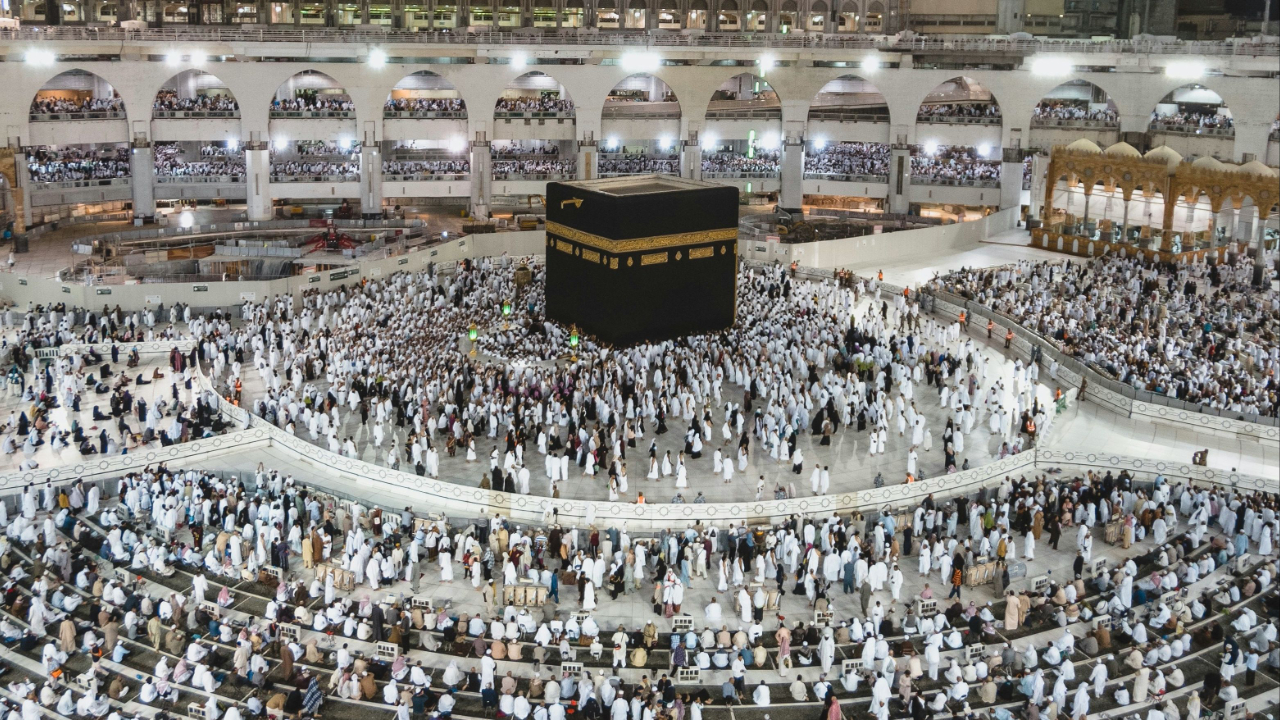
Yesterday we talked about not forgetting Allah [swt] and therefore ourselves. Today, let us remind ourselves of who are meant to be.
In Sura Isra, Allah [swt] reminds us:
وَلَقَدْ كَرَّمْنَا بَنِي آدَمَ وَحَمَلْنَاهُمْ فِي الْبَرِّ وَالْبَحْرِ وَرَزَقْنَاهُم مِّنَ الطَّيِّبَاتِ وَفَضَّلْنَاهُمْ عَلَى كَثِيرٍ مِّمَّنْ خَلَقْنَا تَفْضِيلاً
[17:70] And surely We have honored the children of Adam, and We carry them in the land and the sea, and We have given them of the good things, and We have made them to excel by an appropriate excellence over most of those whom We have created.
Islamic teachings emphasize that human beings are noble creations of Allah, endowed with intellect, free will, and the ability to reflect divine attributes. The Quran reminds us that we are not insignificant beings adrift in the universe, but rather honored creatures capable of profound growth and transformation. This understanding forms the foundation of a healthy sense of self-worth and resilience.
Self-Esteem and the Concept of Human Dignity
In contrast to philosophies that see human nature as weak or inherently flawed, Islam presents a dignified and hopeful view of human beings. The noble position of humans is reaffirmed in the famous hadith from Imam Ali (as): "Your cure is within you, but you do not see; your disease is from you, but you do not perceive. You think you are a small entity, but within you is enfolded the entire universe." (Nahjul Balagha, Saying 130)
This hadith beautifully encapsulates the Islamic perspective on self-esteem: the capacity for greatness is already within us. We are designed to reflect divine attributes such as mercy, patience, wisdom, and justice. When we recognize our inner worth, we become more resilient, hopeful, and motivated to strive toward our highest potential.
Islam vs. Psychology: A Fragile vs. Resilient View of Humans
Modern psychology has had varied perspectives on human nature. Early psychological theories—such as Freudian psychoanalysis—often depicted humans as fragile beings, easily broken by their past experiences. This perspective, while acknowledging trauma, sometimes leads to a sense of helplessness and victimhood.
In contrast, positive psychology has introduced a more hopeful framework, emphasizing human strength, growth, and flourishing. Research in this field shows that self-worth is not merely about external achievements but is deeply tied to our sense of meaning, purpose, and connection with something greater than ourselves.
Islam’s teachings align more closely with this hopeful perspective, reinforcing that every human has an innate potential for goodness, growth, and renewal. Allah reminds us in the Quran: "Do not despair of the mercy of Allah. Indeed, Allah forgives all sins. Indeed, it is He who is the Forgiving, the Merciful."(Holy Quran 39:53)
This verse is not just about divine forgiveness; it is a reminder that we are never beyond repair. No matter what we have been through, we have the capacity to change, heal, and transform.
Post-Traumatic Growth: Strength Born from Hardship
One of the most inspiring concepts in psychology is post-traumatic growth—the idea that people who endure suffering can emerge stronger, wiser, and more compassionate. This aligns beautifully with Islamic teachings on resilience. "The true believer is like a palm tree; the wind makes it sway, but it does not break."
Hardships may shake us, but they do not have to define us. Instead, they can refine us. Many of the greatest figures in Islamic history, from the Prophets to the Imams, faced immense trials, yet their faith and strength grew through those challenges.
Nurturing Hope and a Stronger Sense of Self
Understanding and remembering our nobility and potential can inspire us to cultivate self-worth and hope. Here are some ways to nurture a strong, resilient sense of self:
- Remember Your Divine Origin– Reflect on your ability to embody Allah’s attributes, such as patience, justice, and mercy.
- Embrace Challenges as Growth Opportunities– Difficulties are not meant to break you but to build you into a stronger person. Next time you are hit with a challenge, remind yourself, "here comes AGO - another growth opportunity".
- Engage in Meaningful Work– Your worth is not just in what you achieve, but in the impact you make on others.
- Develop Spiritual Resilience– Consistent prayer, dhikr, and Quranic reflection strengthen inner peace and self-belief.
- Surround Yourself with Positive Influence– Just as toxic environments weaken self-worth, uplifting company fosters growth.
6. Live your values. Our sense of self and our self-esteem grows when we live according to our conscience and our inner guidance compass.
The Islamic perspective on human nature is deeply empowering. We are not weak, purposeless beings; we are honored creations with the potential to reflect divine beauty and wisdom. Recognizing our worth through the lens of faith allows us to face life with resilience, hope, and a deep sense of purpose.
Whatever happens to us—success or failure, ease or hardship—can be used as fuel for growth. With the right mindset, every experience becomes an opportunity to become stronger, wiser, and closer to Allah.
May we always remember our nobility and strive toward becoming the best versions of ourselves. Ameen.
We go into more depth in the podcast episode which is uploaded here
And have you subscribed to the YouTube channel and Podcast? It will ensure you will not miss a single episode and you can catch up on past episodes as well!
Wishing you a day full of spiritual fulfillment, positivity, purpose and peace.
Could you do with a small, daily dose of inspiration?
Sign up for Quran Reflections delivered to your inbox!
Join me on YouTube for reflections and teachings to help you live the Quran daily!

Tune in to Loving & Living the Quran on Apple Podcasts for deeper conversations and inspiration.
Recent Posts

Marzia Hassan
Author
I am a counsellor specializing in couple therapy and parent coaching in Toronto, Ontario, Canada. Although my first degree was in Law (LLB from the University of Toronto), I realised that my true passion lay in counselling and coaching families and couples to build better relationships. I therefore started training in family and couple therapy and have been practicing marriage and family therapy for almost a decade.
