
Count your blessings [14:34]

In Surah Ibrahim (14:34), after telling us how He has created the Sun and the Moon and the night and the day to be subservient to us, Allah reminds us
وَإِن تَعُدُّواْ نِعْمَتَ اللّهِ لاَ تُحْصُوهَا
[14:34] and if you count Allah's favors, you will not be able to number them
Why can we not enumerate His blessings? The more we reflect upon the creation of the universe and upon our creation, the more we recognize our inability to thank Him.
Therefore, the most thankful of Your creatures is he who is conscious of his inability to thank You, says Imam Zainul Abedin [as] in Sahifa Sajjadiya.
And our amazing Lord is such that He recognizes our inability to thank Him as gratitude!
Why We Cannot Count Allah’s Blessings
Scholars explain why we are unable to count the blessings of Allah:
- The Blessings Are Everywhere: The blessings are so all-pervasive that many of them become background noise to our lives. For example, we may overlook the sunshine that brightens our days, the rain that ...
Pay it forward [28:77]

In Surah Qasas (28:77), Allah tells us to use what He has granted us to build our Hereafter while balancing our responsibilities in this world. He goes on to say:
وَأَحْسِن كَمَا أَحْسَنَ اللَّهُ إِلَيْكَ
[28:77] . . . and do good (to others) as Allah has done good to you
This verse was addressed to the wealthy and powerful Qarun (known as Korah in the Bible) who is a figure mentioned in the Quran as a wealthy, arrogant, and corrupt individual from the time of Prophet Musa (as). His story appears in Surah Al-Qasas (28:76-82), where he is depicted as someone who was granted immense wealth by Allah but became prideful and boastful about it.
Qarun was a man of great wealth and status, who believed that his success was purely a result of his own efforts and intellect. He was blinded by pride and failed to recognize that his prosperity was, in fact, a blessing from Allah. He hoarded his wealth, spending it recklessly to indulge his own desires, while turning a blind eye to the needs of...
Respond with your best [41:34]

Despite our best intentions, things can get heated when we are in the midst of a conflict. The other can say things in a way that triggers us and potentially make us lose our emotional balance. When someone lashes out at us—whether in anger, disrespect, or frustration—our instinctive response is often to mirror their behavior. We may raise our voice, respond with sarcasm, or shut down emotionally.
Let us see what the Quran advises in Sura Fussilat, verse 34:
ادْفَعْ بِالَّتِي هِيَ أَحْسَنُ فَإِذَا الَّذِي بَيْنَكَ وَبَيْنَهُ عَدَاوَةٌ كَأَنَّهُ وَلِيٌّ حَمِيمٌ
[41:34] Repel (evil) with what is best, when lo! he between whom and you was enmity would be as if he were a warm friend.
This verse from the Quran challenges us to rise above reactive behavior and instead respond from our own set of values. Instead of retaliating when provoked, we are encouraged to pause, stay grounded in our principles, and choose a response that aligns with our moral and spiritual compass.
The Trap of ...
Do not mock or make fun of others [49:11]

Many of us love a good laugh. I know I do. In this age of division and polarization, the problem is that there is a lot of content out there which attempts to make us laugh is at the cost of other people. While sometimes mocking and laughing at others is considered to be "just harmless fun" the verse below reminds us that Allah considers this a very serious matter.
In Sura Al-Hujarat, which is full of advice on social relationships, Allah says:
يَا أَيُّهَا الَّذِينَ آمَنُوا لَا يَسْخَرْ قَومٌ مِّن قَوْمٍ عَسَى أَن يَكُونُوا خَيْرًا مِّنْهُمْ وَلَا نِسَاء مِّن نِّسَاء عَسَى أَن يَكُنَّ خَيْرًا مِّنْهُنَّ
"O you who believe! Let not one people deride another; it may be that they are better than they. Nor let women deride other women; it may be that they are better than they." [Surah Al-Hujurat 49:11]
This verse advises the believers from engaging in expressing contempt for, ridiculing, teasing or laughing at others in a scornful manner. It is interesting that although "people" inclu...
Divided we fall [8:46]
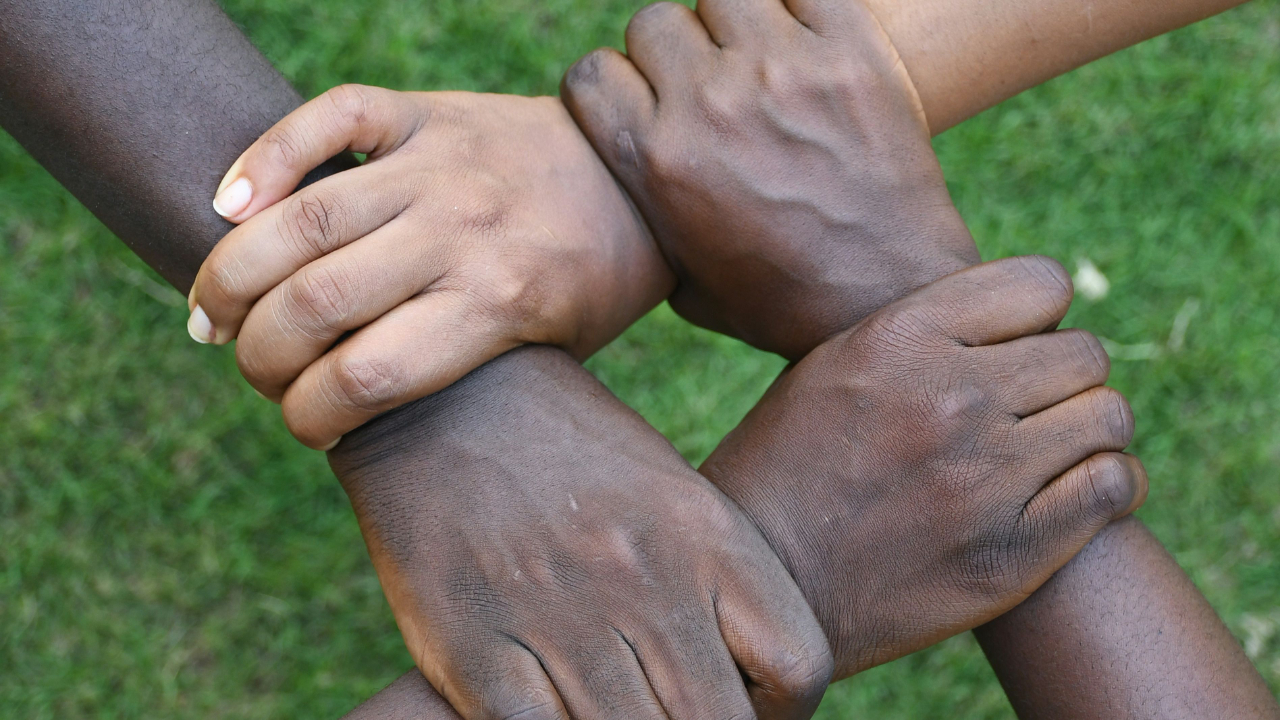
Verse 46 of Sura Anfal comes with a warning:
وَلاَ تَنَازَعُواْ فَتَفْشَلُواْ وَتَذْهَبَ رِيحُكُمْ
"And do not quarrel, for then you will lose heart and your power will depart."
(Surah Al-Anfal 8:46)
As we have been saying, conflict within a homogenous or a diverse group—whether it’s a marriage, family, workplace team, or community—is inevitable. Differences in thought, personality, and approach are natural when people interact in personal relationships or even work together. But the strength of a team is not lost in conflict. We do not need to be afraid of differences or seek to avoid them as they can result in growth. We do need to be careful in how we manage them.
This verse from the Quran reminds us that division weakens us. The word used in the verse, rīh (wind), is particularly striking. Just as a sailboat loses its momentum when it loses the wind in its sails, families, groups and teams and communities lose their power, energy, and effectiveness when they allow pett...
Make peace between your brothers [49:10]

In verse 10 of Chapter 49, Surah Al-Hujarat, the Quran says:
إِنَّمَا الْمُؤْمِنُونَ إِخْوَةٌ فَأَصْلِحُوا بَيْنَ أَخَوَيْكُمْ وَاتَّقُوا اللَّهَ لَعَلَّكُمْ تُرْحَمُونَ
"The believers are but brothers, so make settlement between your brothers. And fear Allah that you may receive mercy." Surah Al-Hujurat (49:10)
This verse was revealed after the battle of Badr when Muslims had differences between themselves regarding the splitting of war booty. It is one of the most significant in the Quran regarding the structure of the Muslim community (ummah) and its emphasis on unity and reconciliation. Islam does not merely describe believers as friends or associates—it defines them as spiritual siblings, bound by faith, regardless of race, ethnicity, culture, or geography.
The Prophet Muhammad (saw) reinforced this concept, saying: "The believers are like a single structure, each part supporting the other."
Just as a family thrives when its members avoid grudges and resentment, the Muslim co...
Be gentle of heart and of speech [3:159]

Our relationships are central to our well-being. Whether it’s our family, friendships, marriages, or communities, the quality of our connections has a profound impact on our mental, emotional, spiritual and even physical health. Research consistently shows that strong, healthy relationships contribute to lower stress levels, increased happiness, and greater resilience in the face of life’s challenges. And conversely, stress in our close relationship greatly negatively impacts our wellbeing.
Islam places immense emphasis on the importance of maintaining and nurturing our relationships. Our vertical relationship with Divinity both impacts and is impacted by the quality of our horizontal relationship with creation. When we are peace in our relationships with each other, it is easy to focus spiritually and when we are connected to Him, it is easier to be kind and forgiving and just. Can you see that?
The Quran is filled with wisdom on how to interact with kindness, resolve conflicts, and...
Remember who you are [17:70]
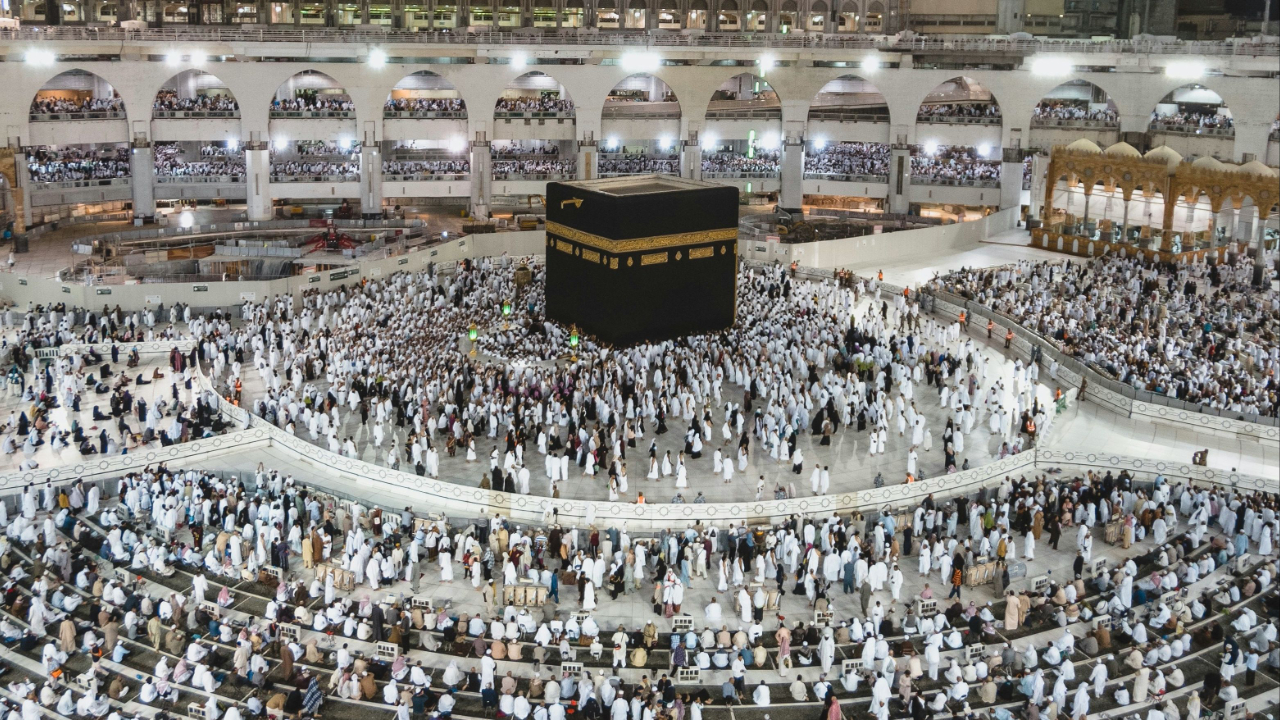
Yesterday we talked about not forgetting Allah [swt] and therefore ourselves. Today, let us remind ourselves of who are meant to be.
In Sura Isra, Allah [swt] reminds us:
وَلَقَدْ كَرَّمْنَا بَنِي آدَمَ وَحَمَلْنَاهُمْ فِي الْبَرِّ وَالْبَحْرِ وَرَزَقْنَاهُم مِّنَ الطَّيِّبَاتِ وَفَضَّلْنَاهُمْ عَلَى كَثِيرٍ مِّمَّنْ خَلَقْنَا تَفْضِيلاً
[17:70] And surely We have honored the children of Adam, and We carry them in the land and the sea, and We have given them of the good things, and We have made them to excel by an appropriate excellence over most of those whom We have created.
Islamic teachings emphasize that human beings are noble creations of Allah, endowed with intellect, free will, and the ability to reflect divine attributes. The Quran reminds us that we are not insignificant beings adrift in the universe, but rather honored creatures capable of profound growth and transformation. This understanding forms the foundation of a healthy sense of self-worth and resilience.
Self-Es...
Be careful of the slow erosion of your values [59:19]

Yesterday we talked about how what we consume impacts our soul and today inshallah let us take this conversation deeper.
In a powerful verse of Suratul Hashr, Chapter 59 of the Quran, Allah [swt] says:
وَلَا تَكُونُوا كَالَّذِينَ نَسُوا اللَّهَ فَأَنسَاهُمْ أَنفُسَهُمْ أُوْلَئِكَ هُمُ الْفَاسِقُونَ
[59:19] And be not like those who forgot Allah, so He made them forget their own souls: these it is that are the transgressors.
Scholars explain that one of the meanings of this verse is that when people regularly "forget" Allah by being unmindful of Him, they cease to listen to what benefits the soul and are unable to do that which would purify it. Since a main purpose of our creation and being on this planet is purification of our hearts and nafs, this is tantamount to "forgetting" ourselves.
The Quran is essentially warning us here about the slow erosion of our spiritual awareness. When we forget Allah, we gradually lose sight of our true identity and purpose. Forgetting oneself mean...
Be mindful of what you consume [80:24]
Yesterday we started talking about eating of the good things. Today inshallah, let us reflect a bit deeper on what we consume.
In verse 24 of Chapter 80, Sura Abassa, Allah [swt] says:
فَلْيَنظُرِ الْإِنسَانُ إِلَى طَعَامِهِ
[80:24] Then let man look to his food,
This short yet profound verse from Surah Abassa serves as an invitation to mindfulness in what we consume. Scholars explain that the verse means that we reflect and contemplate on the vital elements and wonderful structure of the of the natural world and the nourishment it facilitates and then it would should us to think about the Creator, Who has created the system that gives us this nourishment.
While the apparent and first meaning of this verse is about bodily food, scholars explain that the soul's sustenance can analogically be understood from it, since man is a combination of soul and body; as his body needs bodily food so his soul requires spiritual sustenance, as well.
So, while on the surface, the verse refers t...
Could you do with a small, daily dose of inspiration?
Sign up for Quran Reflections delivered to your inbox!
Join me on YouTube for reflections and teachings to help you live the Quran daily!

Tune in to Loving & Living the Quran on Apple Podcasts for deeper conversations and inspiration.
Recent Posts

Marzia Hassan
Author
I am a counsellor specializing in couple therapy and parent coaching in Toronto, Ontario, Canada. Although my first degree was in Law (LLB from the University of Toronto), I realised that my true passion lay in counselling and coaching families and couples to build better relationships. I therefore started training in family and couple therapy and have been practicing marriage and family therapy for almost a decade.
